
Waterproofing Plympton
Local waterproofing help for homes and buildings in Plympton, postcode 5038.
Waterproofing services in Plympton, Adelaide
Inner-south-west location has a mix of post-war homes and newer units. Balconies, bathrooms and rising-damp issues are common enquiries.
Local waterproofing challenges
In Plympton, a mix of post-war homes, newer units and light commercial buildings near Anzac Highway and Anzac Highway drives varied bathroom, balcony and maintenance enquiries.
A local guide to waterproofing in Plympton
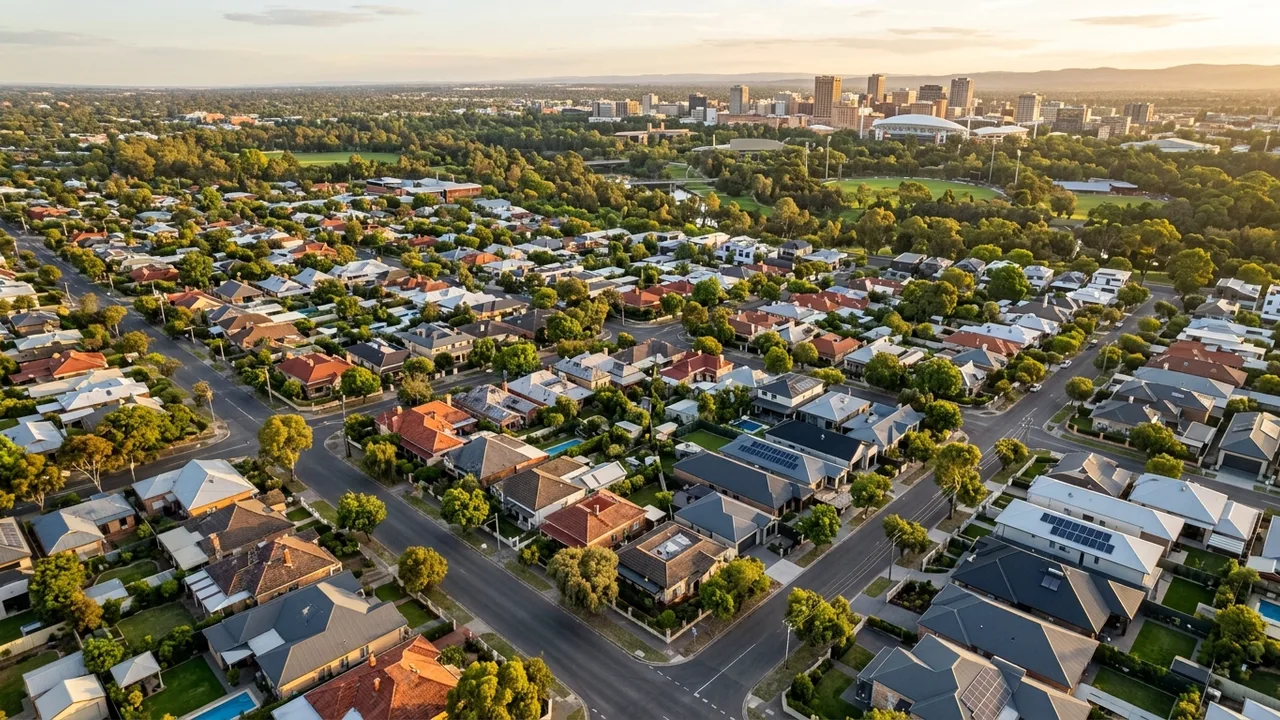
Waterproofing in the plympton area reflects its mixed setting. The plympton postcode 5038 includes landmarks such as Anzac Highway, Marion Road, Plympton Oval, Westfield Marion and roads like Anzac Highway, Marion Road, Cross Road. Neighbourhoods such as Kurralta Park, South Plympton, North Plympton give the plympton area its local character. Plympton's inner-south-west location has a mix of post-war homes and newer units. Balconies, bathrooms and rising-damp issues are common enquiries. Around the anzac highway precinct, older buildings need membrane reinstatement. Near the anzac highway corridor, newer developments face balcony leaks. The plympton climate and soil influence whether contractors use UV-stable membranes, tanking, drainage or heritage finishes. A site inspection in the plympton area confirms the source and scope before a written quote.
Landmarks and waterproofing context
Each landmark in Plympton brings a different waterproofing context. Near Anzac Highway, newer unit developments around this landmark face balcony and façade leakage issues. Near Marion Road, light commercial and mixed-use buildings here need regular maintenance reseals. Near Plympton Oval, investment properties near here often need preventative inspections between tenancies. Near Westfield Marion, post-war homes near here need bathroom and laundry membrane updates.
Streets, access and drainage
The main roads through Plympton influence how water moves and how contractors access sites. Along Anzac Highway, newer unit stock here has balcony and roof-deck membrane issues. Along Marion Road, mixed commercial frontage here needs regular maintenance waterproofing. Along Cross Road, traffic and exposure along this corridor accelerate seal deterioration. Along Daws Road, post-war homes along this road need wet-area updates during renovation.
Neighbourhoods and housing mix
The neighbourhoods within Plympton each have their own waterproofing patterns. In the Kurralta Park pocket, renovation work here often uncovers original membranes past end of life. In the South Plympton pocket, investment properties here need reliable waterproofing between tenants. In the North Plympton pocket, light commercial units here need maintenance reseals on flat roofs and balconies.
Common waterproofing issues in Plympton
The most common waterproofing issues in the plympton area include bathroom membrane upgrades in post-war homes near the anzac highway precinct, balcony leaks in newer units in the kurralta park pocket, maintenance reseals for mixed-use buildings along the anzac highway corridor and rising damp and mould in older stock across older buildings. Early signs often appear first around Marion Road and spread toward Marion Road if not addressed. A prompt inspection in Plympton limits damage and keeps repair costs proportionate to the problem.
Services available
A licensed waterproofing contractor in the plympton area handles bathrooms, showers, balconies, basements and roof decks. Near the anzac highway precinct and the anzac highway corridor, jobs include membrane reinstatement, leak detection and joint resealing. The kurralta park pocket often needs wet-area upgrades during renovation, while the marion road area focuses on balcony or basement work. Every job in Plympton is scoped to the building age, substrate condition and the source of the leak, with a written quote provided before work begins.
What a site inspection covers
During a site inspection in the plympton area, the contractor checks the water source, substrate, drainage and any visible damage near the anzac highway precinct. They assess whether a localised repair or a full membrane system is the most cost-effective option for the plympton property.
How to prepare for your quote
Before a contractor visits the plympton area, note the building age, where water appears and any previous repairs. Photos of stains, mould or cracked grout near the anzac highway precinct or along the anzac highway corridor help the contractor quote accurately.
What happens next
After you submit the form, a licensed waterproofing contractor familiar with the plympton area will contact you to arrange a site inspection. You receive a written quote, and there is no obligation to proceed.
Costs, materials and timelines
For the plympton area, costs depend on building age, access and leak extent. A reseal may cost a few hundred dollars, while a full membrane replacement near the anzac highway precinct can run to several thousand. Units along the anzac highway corridor may need strata approval before balcony work begins. Materials used around plympton include polyurethane membranes, sheet membranes, drainage aggregate and protection board, chosen to match the substrate and exposure. Timelines range from one day for a reseal to one week for a full replacement, with weather holds near plympton affecting curing. A written quote after inspection is the only reliable way to pin down price and timing.
Choosing a contractor in Plympton
When choosing a waterproofing contractor in the plympton area, ask for a written scope, proof of SA licensing and insurance, and a clear warranty. Check that the contractor has experience with mixed conditions, particularly around the anzac highway precinct and the anzac highway corridor. Request references from similar kurralta park jobs and confirm whether the quote includes reinstatement of tiles or finishes. A transparent quote and a planned curing period help ensure the work performs well in the plympton climate.
Why Plympton homeowners act early
Acting early in the plympton area prevents a small leak from spreading into ceilings, adjoining rooms or structural elements. Prompt waterproofing protects the value of properties near the anzac highway precinct and avoids the higher cost of a full replacement later.
Get a quote in Plympton
Submit your details and a local contractor will contact you to arrange a site inspection.
Request a free inspection